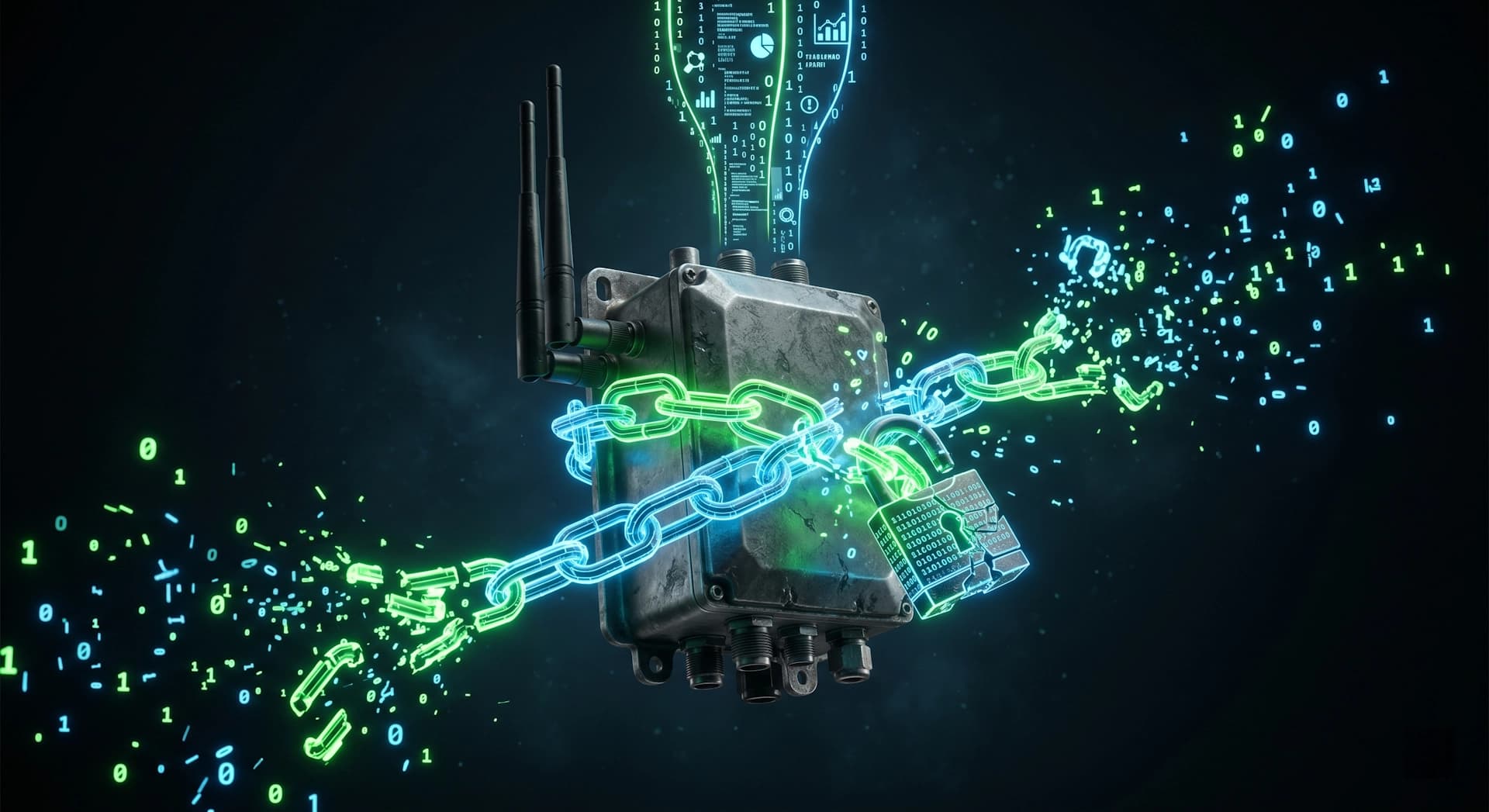
You just invested in a high-end agrometeorological station or a state-of-the-art water quality buoy. The hardware is flawless, and the field deployment went smoothly. But the moment you try to route that fresh data into your main control panel, you hit a brick wall.
The new device refuses to talk to your existing infrastructure. The manufacturer subtly pushes you toward their own proprietary app, and suddenly your team is juggling three different platforms just to monitor a single operational area.
In the Environmental & Field Intelligence sector, this is the painful industry standard. Every manufacturer speaks its own API "language" - and, whether by design or by neglect, that keeps you locked into their ecosystem.
The Legacy IT Bottleneck
Historically, solving this hardware collision meant bringing in a traditional IT agency. It required weeks of manual coding to build a custom backend adapter - essentially paying for a digital translator to map every JSON or XML payload between the new sensor and the old dashboard.
The result was predictable: organizations became wary of upgrading their hardware because of what the integration would cost afterward. Best-in-class sensors stayed on the shelf, and true hardware independence stayed a myth.
Engineering, Accelerated by AI
At Silentbits, we approach this differently. AI does not replace the systems engineer designing the integration - it removes the weeks of repetitive payload-mapping that used to sit between "we have the API docs" and "the data is live on the dashboard."
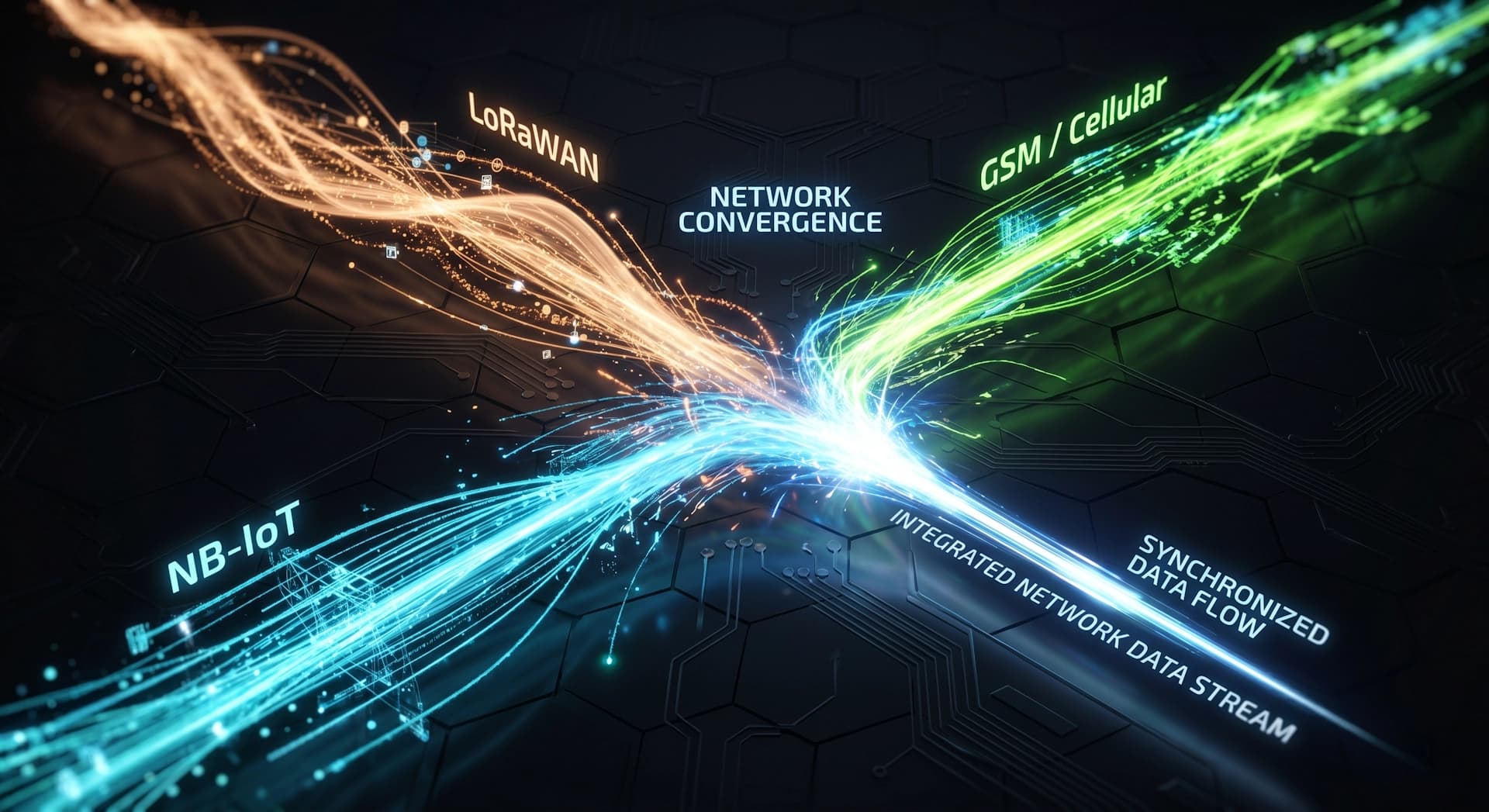
The engineer still defines the schema, decides how conflicting units and timestamps are reconciled, and validates every field before it reaches production. AI handles the heavy lifting of rapidly structuring the adapter code itself, the same way we treat networks as delivery mechanisms rather than destinations in our multi-network unification approach. What changes is how fast that engineering judgment turns into a working integration parser - not how much of it happens.
In practice, that means chaotic data packets get normalized on the fly, whether they come from state-owned agricultural databases, legacy weather stations, or a brand-new private telemetry buoy.
What This Means for Your Operations
- Zero vendor lock-in - you regain the freedom to buy the best hardware for the job, regardless of brand, instead of being a hostage to one manufacturer’s ecosystem.
- A single source of truth - soil moisture, water oxygen levels, and every other field metric are normalized and visualized on one unified dashboard.
- Drastically reduced deployment time - what used to take an IT agency weeks of billable hours now ships in a fraction of the time, so you act on the data almost immediately.
Sensor technology keeps evolving, but the goal stays the same: field data has to be instantly readable, actionable, and centralized, no matter which piece of hardware is transmitting it. We built exactly this for a nationwide network running three incompatible hardware ecosystems - see how in the Wodowskaz case study, or read more on why fragmented vendor clouds fail operators in our vendor lock-in article. If your monitoring infrastructure is scattered across multiple disconnected apps, let’s talk - unifying it takes less time than you think.